
Every child has their own voice. Let’s discover it together.
Personalised assessment and therapeutic intervention for speech, language and communication, in a warm and safe environment that encourages learning and participation through evidence-based therapeutic practices and play.
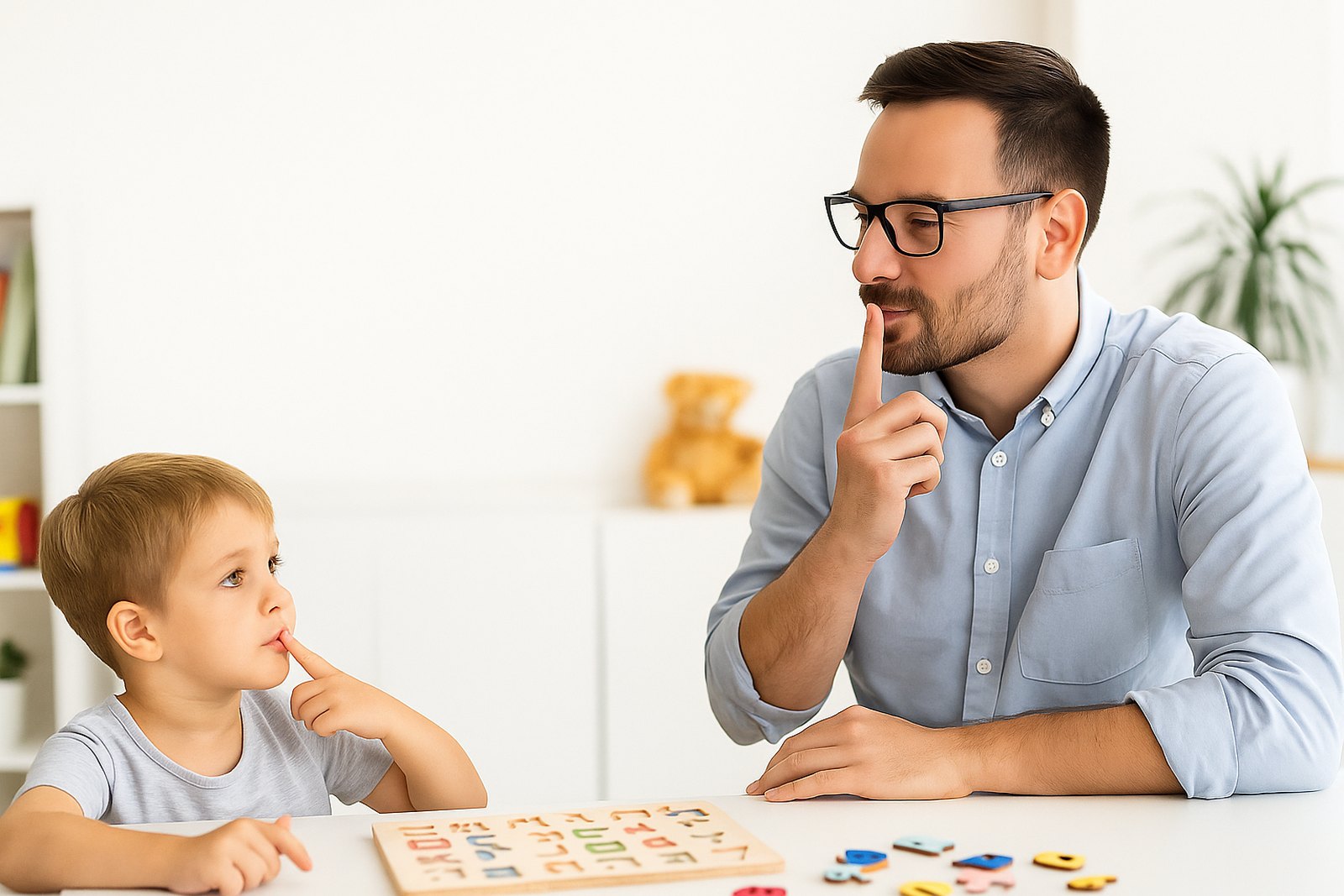
Worried about your child’s speech?
An early assessment can help identify potential difficulties promptly and support appropriate intervention planning, where needed.
Every child develops at their own pace. However, when there are concerns about communication development, an assessment by a speech-language therapist can help identify the child’s needs early.
See frequently asked questionsWhen it is worth asking a specialist
- At 18 months, they use very few words or none at all.
- At 2–3 years, they do not combine words into simple phrases or have significant difficulty understanding and/or expressing language.
- Their speech often remains difficult to understand for people outside the immediate family.
- They stutter or have persistent articulation or phonological errors that are not expected for their age.
Assessment and therapeutic intervention are tailored to each child’s age, needs and goals. Intervention is based on the principles of Evidence-Based Practice, combining the best available research evidence, clinical expertise, and the needs of each child and their family.
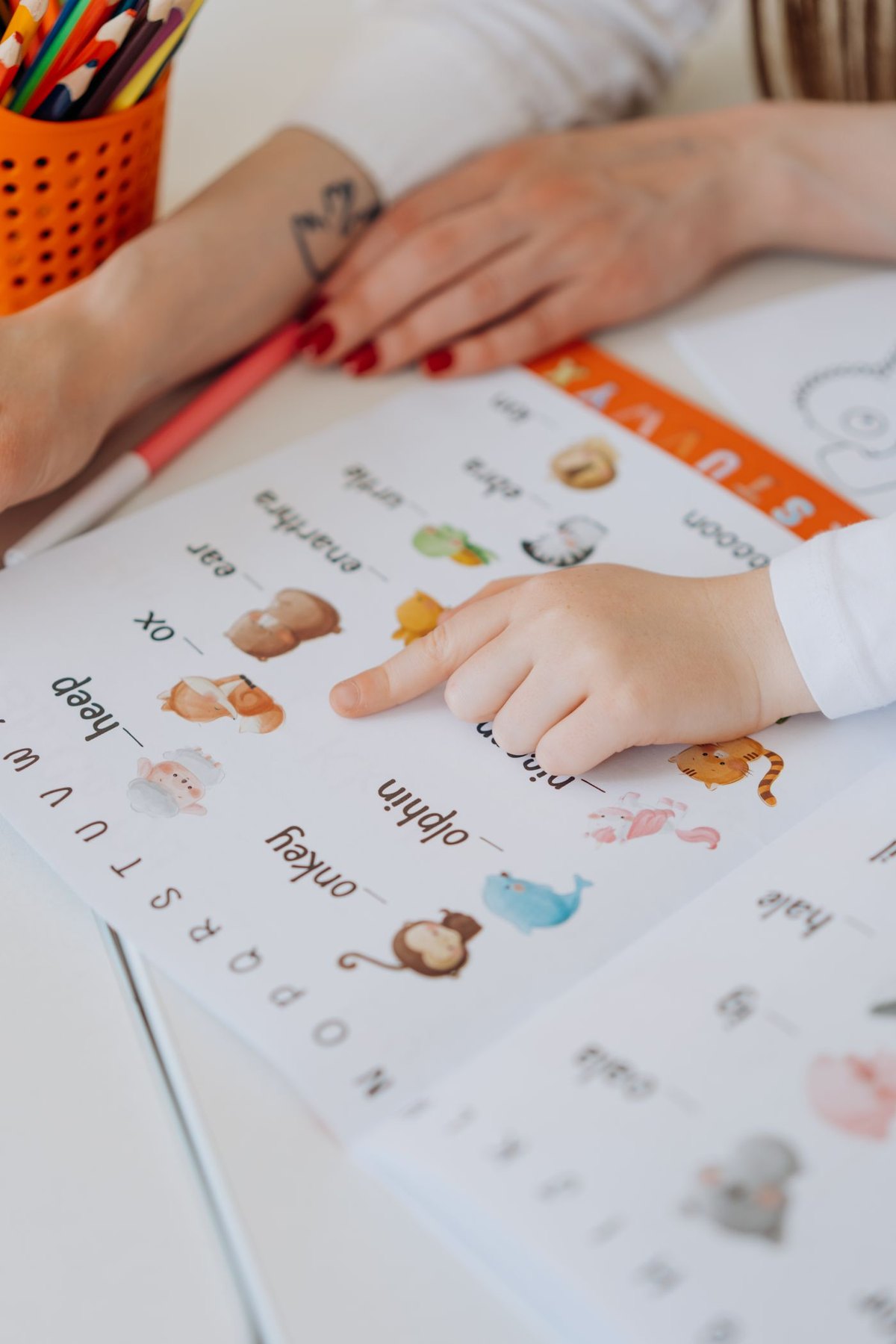
The child is always at the centre
I am a qualified speech-language therapist specialising in the assessment and therapeutic support of children with difficulties in communication, speech and language development, and other communication-related skills. I believe that every child is unique and needs a personalised approach that reflects their own needs, abilities and pace of development. For this reason, therapy is built on a relationship of safety and trust, where the child can participate actively and develop their communication skills through suitable, enjoyable activities. Working with the family is an important part of speech and language therapy, as support and consistency in the child’s everyday environment help put intervention goals into practice more effectively.
Services
Language disorders
Difficulties understanding or using language (expressive and receptive language, Developmental Language Disorder).
Speech disorders
Articulation, dysarthria and apraxia, when speech sounds are not produced as intended.
Fluency disorders
Stuttering and cluttering — for easier, more fluent speech.
Communication on the autism spectrum
Support for communication, social interaction and functional participation, respecting each person’s needs, interests and way of communicating.
Feeding & swallowing
Dysphagia in infants, children and adults. Assessment and therapeutic intervention for feeding and swallowing disorders (dysphagia), with the aim of safe and effective eating and drinking, where appropriate.
Developmental disorders
Support for children with developmental disorders or genetic syndromes, with personalised therapeutic goals.
How we begin
A clear and supportive process, from the first conversation through to personalised therapeutic intervention.
First contact
An initial conversation to understand your needs and concerns.
Assessment
A comprehensive assessment of speech, language and communication skills.
Personalised plan
Setting personalised therapy goals and planning intervention around the child’s needs.
Therapeutic intervention
Regular sessions using evidence-based therapeutic practices, with active family participation where appropriate.
Parents’ questions, answered in plain language
When is an assessment by a speech-language therapist helpful?
Every child develops at their own unique pace. However, when there are concerns about the development of language, speech or communication, an assessment by a speech-language therapist can help provide a clearer understanding of the child’s needs. Signs that may be worth exploring include: limited use of words or no words at around 18 months, difficulty combining words into simple phrases during the toddler years, difficulty understanding or expressing language, speech that remains difficult for people outside the family to understand after the age of 4, persistent difficulties with articulation or the use of speech sounds, difficulties with speech fluency, such as stuttering. Early assessment can help identify potential difficulties and, where needed, support the planning of personalised speech and language therapy aimed at the child’s communication development.
If my child is not talking yet, should we wait or start now?
When a child is not developing language in line with expected developmental milestones, or there are concerns about their communication, an assessment by a speech-language therapist can be helpful. An assessment does not necessarily mean that the child needs therapy. It can provide a clearer picture of their development, lead to simple monitoring of their progress, or, where there is a need, inform a personalised speech and language therapy plan. Early assessment helps identify potential difficulties and makes it possible to provide the right support when needed.
Does multilingualism delay speech?
No. Multilingualism does not cause delays in speech or language development. Exposure to two or more languages is a normal form of language development. Mixing languages—for example, using words from different languages in the same sentence—is an expected and normal phenomenon in the early years and is not a sign of a language disorder. When there is a genuine difficulty with language development, signs usually appear across all the languages the child uses. They are not caused by multilingualism, although they may be related to other developmental or language factors. The assessment of a bilingual or multilingual child needs to take their entire language environment into account, not just one language.
Let’s support your child together
Complete the form or call me to arrange an appointment. I am here to answer any questions you may have.
Book an assessment